
Mamata choses Dorina crossing for July 21 rally despite police allowing Brigade ground as venue
.gif)

Download Mobile App 






.webp)
India’s trade landscape faces mounting pressure as the national trade deficit widens significantly, fueled primarily by a surge in import costs for crude oil and electronic goods. Official government data reveals that the domestic appetite for energy and high-tech components is placing a sustained burden on the national exchequer.
The sharp increase is being attributed to a combination of heightened domestic consumption and persistent global pricing volatility affecting crude oil markets. Furthermore, the rising demand for sophisticated imported electronic components has deepened the structural imbalance in the nation's trade accounts. Economic analysts have underscored the urgency of addressing these import expenditures to maintain fiscal equilibrium.
Experts emphasize that finding a strategic balance between these critical import requirements and domestic production capacities remains vital for stabilizing the current account deficit and protecting the broader economic outlook against external fluctuations. As global supply chain dynamics continue to shift, the government is tasked with managing these inflationary pressures on trade to ensure long-term stability. Managing these high-value imports remains a cornerstone of the current economic policy focus.


.webp)



.webp)


 West Bengal
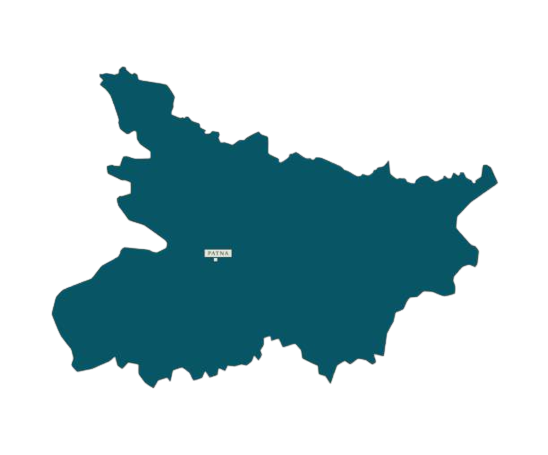 Bihar
Bihar Uttar Pradesh
 Jharkhand